Main Point
- For foreigners, buying property in Thailand begins with choosing a property type and a legally permitted ownership or tenure arrangement, and planning a budget. Next, check the title documents, encumbrances, development status, and foreign ownership quota before paying any money or signing a contract. Then arrange the funds and financial documents and complete the property inspection before registering the transaction at the Land Office, paying the applicable fees and taxes, and taking possession of the property.
- In addition to the purchase price, foreigners should budget for applicable fees and taxes, such as an ownership transfer fee of 2% of the official appraised value, a lease registration fee of 1% of the total rent over the lease term, and a mortgage registration fee of 1% of the mortgage amount. The seller may be liable for specific business tax of 3.3% or stamp duty of 0.5%, depending on the circumstances of the sale. Buyers should also allow for legal fees, sinking fund contributions, common area maintenance fees, and development-related charges, which vary by property type and the terms of each transaction.
For foreigners, buying property in Thailand involves more than choosing a location and price. You also need to understand which types of property you can buy and what you need to prepare. LivingInsider has put together this guide to buying property in Thailand, updated for 2026, covering ownership and tenure arrangements, the purchase process, documents, costs, and the risks to consider before making a decision.
What Types of Property Can Foreigners Buy in Thailand, and What Ownership or Tenure Arrangements Are Available?
1. Condominiums
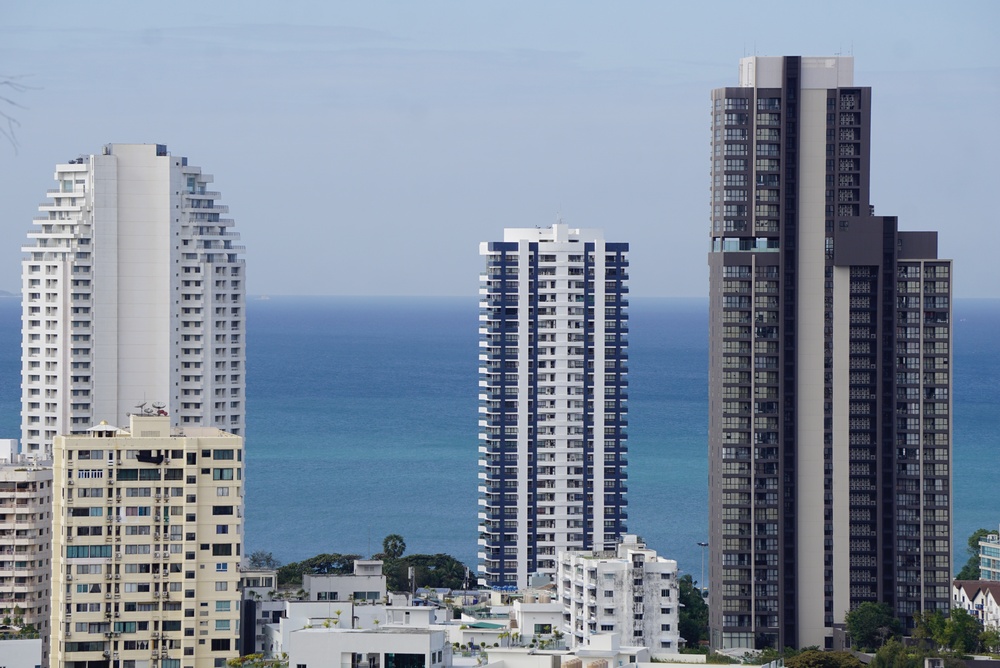
Condominiums are the main type of property that Thai law allows foreigners to acquire and hold legally, either as freehold owners or as leaseholders. The conditions and rights differ as follows:
Option 1: Buying a Freehold Condominium Within the Foreign Ownership Quota
Foreigners may buy and own condominium units in Thailand, with their names recorded as owners on the condominium unit title deed (Or Chor 2), and hold ownership without a time limit. They must, however, comply with the Condominium Act B.E. 2522 (1979).
- Foreign ownership quota of no more than 49%: Foreign individuals and foreign juristic persons may together own no more than 49% of the total floor area of all units in the condominium building. The quota is calculated by area, not by the number of units. For example, if the total unit area is 10,000 sq. m, combined foreign ownership must not exceed 4,900 sq. m.
- Ownership without a time limit: Owners may live in, sell, rent out, bequeath, or register a mortgage over their units, subject to applicable laws and conditions. However, a foreign heir must qualify under Section 19, and the holding must remain within the foreign ownership quota. If the heir does not qualify, they may be required to notify the competent official within 60 days and dispose of the unit within one year.
- Legal eligibility requirements apply: Foreign buyers must meet the conditions in Section 19. Most individual buyers rely on the route involving the remittance of foreign currency into Thailand and must provide the legally required evidence to the Land Office.
- Resale to another foreigner: The new buyer must also qualify under Section 19, and sufficient foreign ownership quota must remain in the building on the transfer date.
Option 2: Leasing a Condominium on a Leasehold Basis
Leasing is another option for foreigners. Unlike freehold ownership, a lease does not make the lessee the owner of the unit. It gives the lessee the right to use the unit for the term and on the conditions stated in the agreement.
- Maximum lease term of 30 years: Under Section 540 of the Civil and Commercial Code, a property lease may be granted for up to 30 years. If a longer term is stated, the law reduces it to 30 years. At expiry, the parties may agree to enter into a new lease. However, advance commitments to renew for another 30 or 60 years require caution. In Supreme Court Judgment No. 4655/2566 (2023), the court ruled that an arrangement intended from the outset to create a continuous lease exceeding 30 years may circumvent the statutory limit and be unenforceable.
- Leases exceeding three years must be registered: A lease exceeding three years must be made in writing and registered with the competent official to be enforceable for the full agreed term. If unregistered, it is legally enforceable for only three years.
- Assignment and subletting depend on the agreement: A lessee may assign the leasehold rights or sublet the unit to another person if the agreement permits it or the lessor consents.
- Not subject to the 49% ownership quota: Because a lessee does not acquire ownership of the unit, leasehold rights do not count toward the 49% foreign ownership quota.
2. Houses and Villas

Foreigners generally cannot own land, but they may live in or hold rights in houses and villas under several arrangements. Common options include leasing both the house and the land, or owning only the house while leasing the land.
- Scenario 1: Leasing a House or Villa on a Leasehold Basis Foreigners may lease a house or villa together with the land under an agreement with the property owner. A fixed-term property lease can be registered for up to 30 years. If the term exceeds three years, the lease must be made in writing and registered at the Land Office. The lessee has the right to possess and use the house and land under the agreement, but does not own the property. At expiry, the parties may agree to enter into a new lease.
- Scenario 2: Owning the House or Villa While Leasing the Land Another option is to own the house or villa and lease the land on which it stands, separating ownership of the building from ownership of the land. The land remains with its existing owner and may be leased for up to 30 years. The foreigner may own the house or structure through properly established and registered legal rights, such as a right of superficies, allowing ownership of the building without ownership of the land itself.
3. Apartments
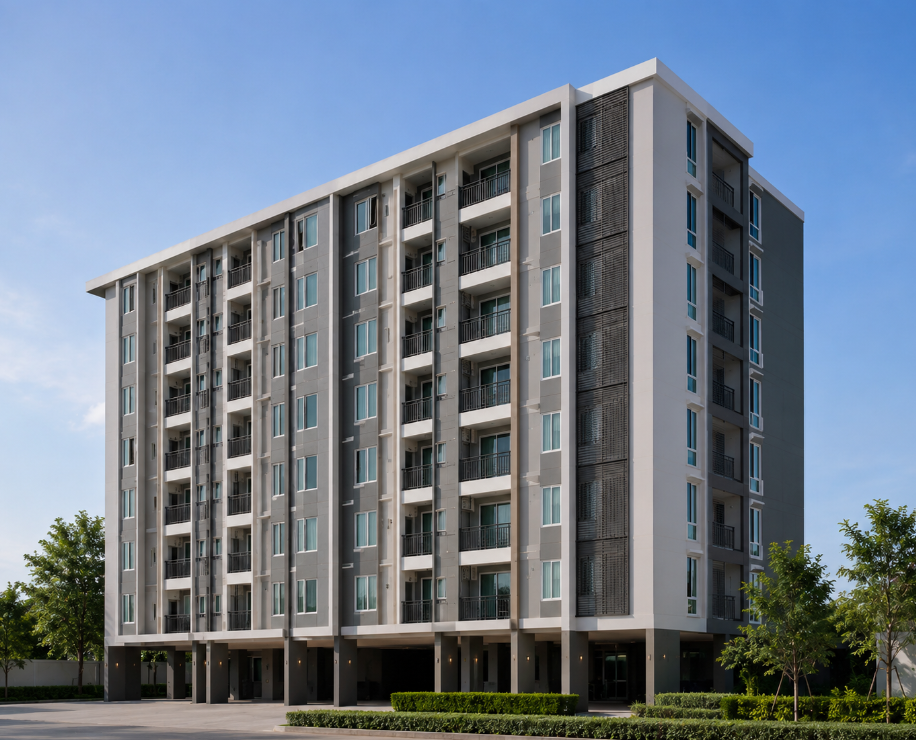
An apartment building that is not registered as a condominium cannot be divided into separately owned rooms with individual condominium unit title deeds. Foreigners may therefore hold apartment rights through leasing, or own the building separately from the land, as follows:
- Option 1: Leasing an Apartment Unit on a Leasehold Basis: Foreigners may lease an apartment for residential use, holding contractual leasehold rights rather than ownership of the room. To be enforceable beyond three years, a lease exceeding three years must be made in writing and registered at the Land Office. A fixed-term property lease may run for up to 30 years. The lessee may use the room under the agreement, but does not own it.
- Option 2: Owning an Apartment Building on Leased Land Foreigners wishing to invest in apartments may own the building separately from the land and lease the land on which it stands. A right of superficies may be registered to support ownership of a building on another person's land. This allows foreigners to own the building without owning the land. If the building is used for a rental business, additional applicable laws and licensing requirements must also be met.
4. Hotel-Managed Residences and Branded Residences
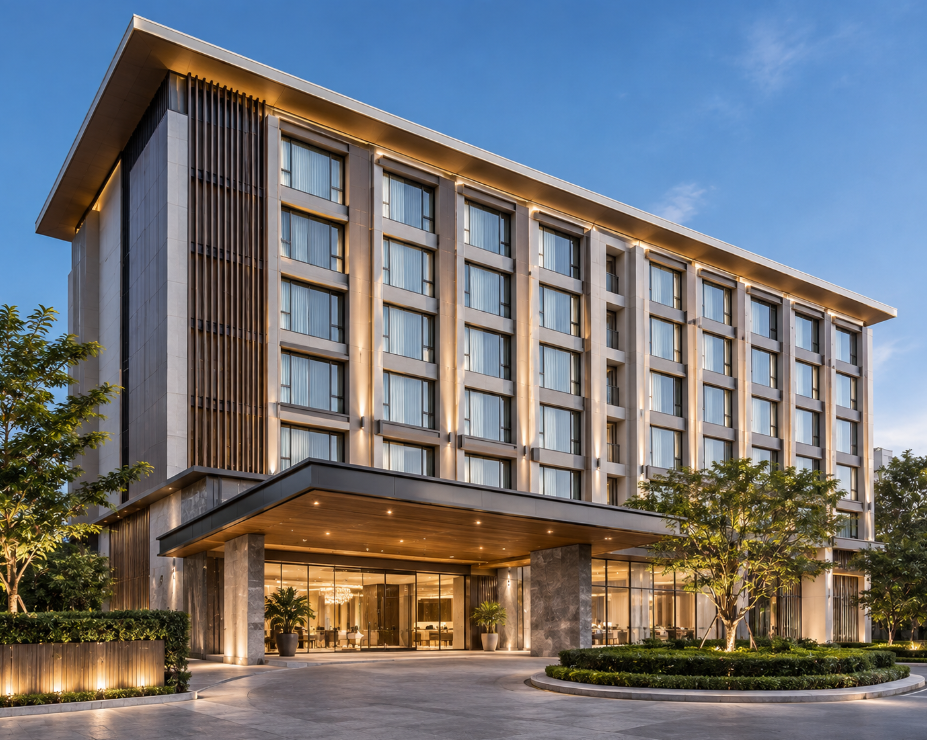
Hotel-managed residences and branded residences are developments in which a hotel brand or operator, such as Ritz-Carlton, Four Seasons, or Banyan Tree, participates in development and management. However, the brand name and management arrangement do not determine the legal form of property ownership or tenure. Buyers must check whether the development is a registered condominium with individually transferable unit ownership, or offers leasehold rights, as this directly affects the rights they acquire.
Option 1: Buying a Hotel-Managed or Branded Residence Registered as a Freehold Condominium
If a hotel-managed residence or branded residence is developed and properly registered as a condominium under the Condominium Act, foreigners may buy and own units in the same way as in a standard condominium.
- Quota and funding requirements: Ownership must fall within the foreign ownership quota of no more than 49% of the total floor area of all units in the development. The buyer must remit foreign currency into Thailand and present the legally required remittance evidence on the transfer date.
- Security of ownership and returns: The buyer is named as the owner on the condominium unit title deed and may join a hotel brand's rental management program to earn income or returns under the terms of the management agreement.
- Additional costs: Common area maintenance fees may be higher than in standard condominiums because of hotel-level services. Some developments also charge additional costs for rental management programs, such as a furniture, fixtures, and equipment reserve (FF&E reserve) to maintain the standard of the accommodation.
Option 2: Holding Leasehold Rights in a Hotel-Managed or Branded Residence
If the development is not registered as a condominium, or the 49% foreign ownership quota has been reached, leasehold rights may be offered instead. The buyer acquires leasehold rights for the term stated in the agreement, without owning the room or property.
- Registration of rights: A long-term lease must be registered at the Land Office. The lease term may not exceed the statutory maximum of 30 years.
- Renewal: At expiry, the parties may agree to enter into a new lease of up to 30 years per term. However, a 30+30-year arrangement does not create an automatic right to renewal. Value should therefore be assessed primarily on the basis of the registered lease term.
- Investment advantages: Leasehold may cost less than freehold in the same development or location. It is also not subject to the foreign currency remittance requirements applicable to a freehold ownership transfer, potentially providing greater financial flexibility. It may suit those seeking to use the property or earn rental returns over a defined period, rather than hold ownership over the long term.
5. Commercial Buildings
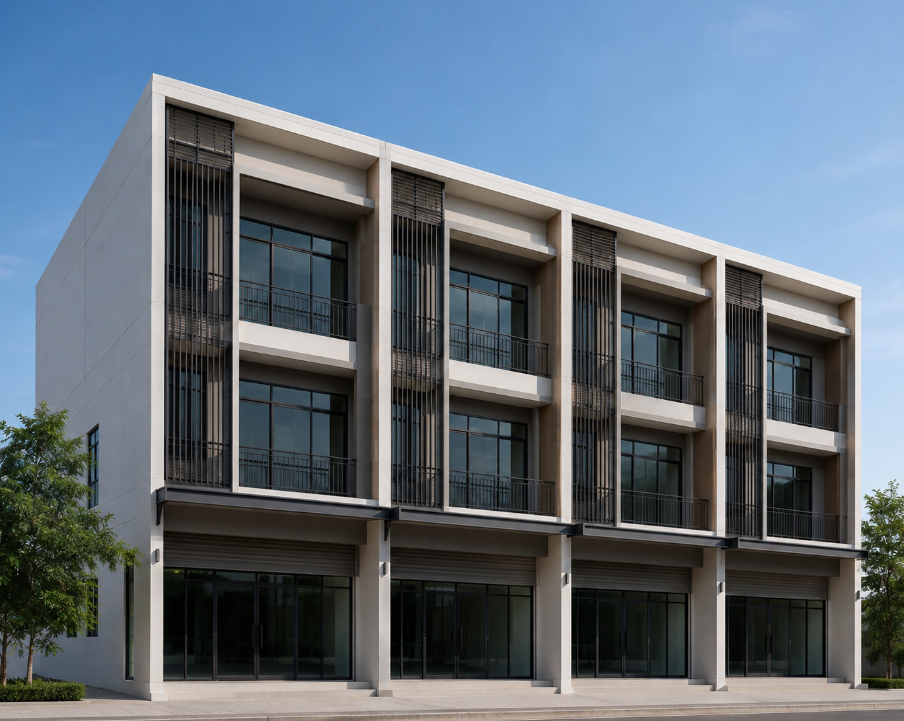
Commercial buildings, shophouses, and home offices are options for foreigners seeking retail premises, offices, or business premises in Thailand. However, because foreigners cannot own the underlying land, they cannot buy the building together with the land. They may instead lease the property or own only the building, separately from the land.
Option 1: Leasing a Commercial Building on a Leasehold Basis
Foreigners may lease a building together with the land for use as an office, shop, or other business premises under the agreement. They have the right to possess and use the property during the lease term, but do not acquire ownership of either the building or the land.
- Registration and term: For a standard property lease, a term exceeding three years must be made in writing and registered at the Land Office to be enforceable beyond three years. The maximum term is 30 years. However, a commercial or industrial lease qualifying under the Lease of Immovable Property for Commercial and Industrial Purposes Act B.E. 2542 (1999) may exceed 30 years but must not exceed 50 years. At expiry, the parties may agree to an extension of up to a further 50 years, subject to the statutory conditions.
- Business restrictions: Holding a lease over a building does not automatically allow a foreigner to conduct every type of business. If the activity is restricted under the Foreign Business Act B.E. 2542 (1999), the relevant eligibility and authorization requirements must still be met.
- Subletting: For a standard lease, subletting the property or assigning the leasehold rights to another person must comply with the lease agreement.
Option 2: Owning a Commercial Building on Leased Land
Another arrangement is to own the commercial building and lease the land beneath it, separating building ownership from land ownership. The land remains with its existing owner, while the foreigner may own only the structure if the necessary rights are properly established and registered.
- Legal structure: For an existing building, the parties may enter into a sale agreement and transfer ownership of the structure alone while also arranging a land lease. For a new building, the landowner and the person constructing it should clearly establish their respective rights in the building. A building permit may serve as supporting evidence, but does not automatically establish ownership of the building.
- Legal protection: A right of superficies may be registered to support ownership of a building or structure on another person's land, providing greater clarity over the separation of building and land ownership.
- When land rights end: When the land lease or related right expires, the building must be dealt with under the agreement and the registered rights. This may involve removing the building and restoring the land, or allowing ownership of the building to pass to the landowner, as agreed.
What Types of Property Are Foreigners Generally Restricted from Owning?

1. Freehold Land
Foreigners cannot directly register ownership of land in Thailand unless they qualify for a statutory exception, such as permission under Section 96 bis of the Land Code. This route includes conditions relating to investment, land area and location, and specific government approval. Most foreigners therefore choose alternatives, such as leasing land, buying a condominium within the foreign ownership quota, or using other legally recognized property rights.
2. Houses or Villas Together with Land Ownership
The legal prohibition on foreign land ownership means foreigners cannot buy a house, townhouse, or villa and register ownership of the underlying plot in their own name. They may still own the house separately from the land, for example by combining building ownership with a land lease or a registered right of superficies.
3. Commercial Buildings Together with Land Ownership
The same principle applies to commercial buildings as to houses and villas. Foreigners cannot buy a commercial building, such as a shophouse or home office, under an arrangement that gives them ownership of both the building and the land. They may instead own only the building, separately from the land, and use a land lease together with other legally recognized rights.
4. Freehold Condominiums When the Foreign Ownership Quota Is Full
Foreigners may own condominium units, but their combined ownership must not exceed 49% of the total floor area of all units in the building. If the quota is full, a new foreign buyer cannot acquire additional freehold unit ownership, even if a unit is vacant and available for sale. An alternative arrangement, such as leasehold, may be considered.
5. Rooms in Apartment Buildings Not Registered as Condominiums
Foreigners may buy and hold separate ownership of individual units only in buildings registered and approved under the Condominium Act. In ordinary apartment buildings or residential rental buildings, often called mansions in Thailand, that are not registered as condominiums, the owner holds title to the entire building. Individual rooms have no separate ownership title like condominium units, so foreigners cannot buy an individual room on a freehold basis.
Understanding Property Rights Available to Foreigners in Thailand in 2026

1. Freehold Ownership
Freehold ownership means full ownership of property without a time limit. The owner may use, renovate or alter, rent out, sell or transfer, and leave the property to heirs. These rights are governed by Section 1336 of the Civil and Commercial Code, which recognizes an owner's rights to use and dispose of property, receive its income or other benefits, recover it from others, and prevent interference with their rights.
The documents evidencing ownership differ by property type, such as a land title deed (Chanote, Nor Sor 4 Jor) or a condominium unit title deed (Or Chor 2). Foreigners face restrictions on property ownership in Thailand, particularly land ownership. It is therefore important to identify whether the property is a condominium unit, a building, or land before choosing a suitable ownership or tenure arrangement.
2. Leasehold Rights
Leasehold rights allow a person to possess and use someone else's property for the term and on the conditions agreed in a lease. The lessee must pay the agreed rent and does not own the property. Foreigners seeking to lease property in Thailand should understand the following key points:
- Lease term: A residential property lease may run for up to 30 years per term. Renewal after expiry depends on the parties' agreement.
- Legal status: Leasehold rights are contractual rights, not ownership of the property. A lease properly registered at the Land Office may be enforced against third parties throughout its registered term. However, a lease exceeding three years that is not registered is enforceable for only three years.
- Restrictions on rights: Leasehold rights cannot be registered as a mortgage. Subletting or assigning all or part of the leasehold rights to another person is not permitted unless the lease agreement allows it. If the lessee breaches this restriction, the lessor may terminate the lease under Section 544 of the Civil and Commercial Code.
- Transfer and succession: Leasehold rights do not automatically transfer or pass to another person in every case. Whether the rights continue or may be passed on depends primarily on the law, registration, and the specific terms of the lease.
3. Building Ownership
Building ownership means ownership of a building, house, or structure separately from ownership of the land on which it stands. This arrangement can be used where the building owner does not own the land, such as a foreigner who leases land but wishes to own the house or building.
- Rules on component parts of land: Under Section 144 of the Civil and Commercial Code, a building is generally treated as a component part of the land, so the landowner also owns the building. However, Section 146 provides an exception for structures erected by a person entitled to use another person's land. The source of those rights, construction documents, any transfer of building ownership, and registered rights must therefore be assessed case by case. A right of superficies does not automatically prove that ownership of an existing house has been transferred.
- Separating house ownership from land ownership: If a building belongs to a foreigner who does not own the land, a clear written contract or agreement should evidence the land rights and the separate ownership of the building.
- Importance of registration: Any purchase, transfer, or acquisition of building ownership should be supported by evidence of the source of title. A transfer of a house or structure must be registered with the competent official. An acquisition of immovable property by a legal transaction is not legally perfected unless it is made in writing and registered.*
- Points to consider at the end of the agreement: When the contractual right to use the land ends, the building owner may have to remove the structure and restore the land under the agreed terms.
*Under Section 1299, paragraph 1, an acquisition that is not legally perfected cannot be relied on to assert the agreed ownership against third parties, regardless of whether those third parties acquired their rights in good faith or for value. For example, if the land is transferred to a third party, a house that forms a component part of the land may pass with ownership of the land.
4. Land Ownership
Land ownership is the legal right to own land. The owner may use and dispose of it, receive income or other benefits from it, recover it from anyone without a right to possession, and prevent unlawful interference with the property. Under Thailand's Land Code, land ownership is reserved for Thai nationals.
Specific statutory exceptions may apply, such as:
- Investment exception under Section 96 bis: A foreigner may apply to own up to 1 rai, approximately 1,600 sq. m, of residential land by investing at least THB 40 million in Thailand in legally prescribed investments and maintaining the investment for at least three years. Permission from the Minister of Interior is required.
- Rights for investment-promoted juristic persons: Foreign juristic persons granted BOI investment promotion may be permitted to own land for their promoted activities in the amount the Board considers appropriate. If the promoted business is discontinued or transferred, the land must be disposed of within one year.
- Inheritance of land: Foreigners who inherit land as statutory heirs, such as the spouse of a deceased Thai national, may apply for permission to own it under Section 93 of the Land Code. Permission must be obtained in accordance with the legal requirements before the inheritance is registered. If the heir does not qualify or is not granted permission to retain the land, it must be disposed of within the period prescribed by law.
5. Right of Superficies
A right of superficies is a real right that a landowner may grant to a foreigner, allowing them to own a house, building, or structure on another person's land without owning that land. Governed by Sections 1410–1416 of the Civil and Commercial Code, it helps separate ownership of the land from ownership of the structures on it.
For foreigners, a right of superficies is a commonly used legal arrangement alongside a land lease to support ownership of a house or structure. Its key features are as follows:
- Registration is required: A right of superficies must be established by registration with the competent official at the Land Office. This allows land ownership and building ownership to be legally separated, so that the superficies holder may own the structures without owning the land.
- Duration: The right may be granted for up to 30 years, for the lifetime of the landowner, or for the lifetime of the superficies holder.
- Timing of establishment: A right of superficies is often established before or during construction. For an existing structure, a separate transfer of building ownership may be needed, together with payment of the applicable taxes and fees.
6. Usufruct
A usufruct is a real right that a property owner may grant to a foreigner, allowing them to possess, use, and receive benefits or income from another person's property without owning it. It is governed by Sections 1417–1428 of the Civil and Commercial Code.
For example, where a foreigner is married to a Thai national, the Thai spouse who owns the land may register a usufruct in favor of the foreign spouse. This can allow the foreign spouse to continue living in and using the property for life, even if the Thai spouse dies first.
- Duration: A usufruct may be granted for up to 30 years or for the lifetime of the usufruct holder.
- Registration is required: A usufruct over immovable property is perfected when registered with the competent official at the Land Office and recorded in the relevant register.
- A personal right: A usufruct holder may transfer the exercise of the right to a third party unless the legal instrument establishing the usufruct provides otherwise. However, the usufruct itself remains tied to the original holder. If granted for life, it ends when that holder dies and does not pass to their heirs.
7. Right of Habitation
A right of habitation is a real right allowing a foreigner to live in another person's house or building rent-free, under Sections 1402–1409 of the Civil and Commercial Code. The holder may use the property as a home for themselves and their family, but does not acquire ownership of the house or land.
- Duration: The right may last for up to 30 years per term or for the holder's lifetime. It may be renewed for terms of up to 30 years each.
- Rent-free residential use: The essential feature of a right of habitation is the right to live in another person's house without paying rent. This differs from a lease, under which the property is used pursuant to an agreement in return for rental payments.
- Limited to the holder and their family: A right of habitation allows the house to be used as a residence for the holder and their family. It does not allow the same broad use of the property as a usufruct, and the right cannot be transferred to third parties. For example, the holder cannot rent it out to others for profit.
8. Sap-Ing-Sith
Sap-Ing-Sith is a property right based on the right to use immovable property under the Sap-Ing-Sith Act B.E. 2562 (2019). It may be established over land with a title deed, such land together with its buildings, or a condominium unit under condominium law. Once registered, a Sap-Ing-Sith certificate is issued. The right may be transferred to another person, including a foreigner, while ownership of the underlying property remains with the owner.
- Establishment and duration: Sap-Ing-Sith must be registered with the competent official at the Land Office and may last for no more than 30 years. The right ends at expiry. To continue using it, a new Sap-Ing-Sith right must be established and registered; the law does not provide for automatic renewal.
- More flexible than leasehold rights: Sap-Ing-Sith may be transferred to another person, mortgaged as security for a debt, and inherited. Legal transactions involving Sap-Ing-Sith must be made in writing and registered with the competent official. It therefore offers more flexibility in managing the right than a standard lease.
- Buildings when the right expires: Ownership of buildings or structures altered, extended, or newly constructed by the Sap-Ing-Sith holder passes to the property owner when the Sap-Ing-Sith right ends, unless otherwise agreed.
Comparison of Leasehold Rights, Usufruct, Habitation, and Sap-Ing-Sith
| Aspect | Right of Habitation | Usufruct | Leasehold Rights | Sap-Ing-Sith |
| Nature of the right | Right to live in another person's house | Right to possess, use, and receive income or other benefits from the property | Right to use the property under a lease | Right to use immovable property, registered under a specific law |
| Payment | Rent-free | May be granted with or without payment | Rent is payable as agreed | Depends on the agreement establishing the right |
| Scope of use | Residential use by the holder and their family only | May use the property and derive benefits or income from it | As specified in the agreement | Use of the property within the scope of the registered right |
| Duration | Up to 30 years or for the holder's lifetime | Up to 30 years or for the holder's lifetime | A fixed term of up to 30 years, or the lifetime of the lessor or lessee | Up to 30 years under current law |
| Renewal | Renewable for up to 30 years per term | Renewable for up to 30 years per term | Renewable for up to 30 years per term | No automatic renewal. Continued use requires a new Sap-Ing-Sith right to be established and registered |
| Transfer or use by others | Cannot be transferred, including by inheritance | The exercise of the right may be transferred to a third party, but the usufruct itself ends when the holder dies | Subletting or assignment is prohibited unless permitted by the agreement | May be transferred, mortgaged, and inherited |
| Ownership of the underlying property | No | |||
What Costs Do Foreigners Face When Buying Property in Thailand?

1. Property Purchase Price
This is the main cost of buying property. Payments may be divided into a reservation fee, a contract payment, a down payment or scheduled installments, and the remaining balance on the ownership transfer date. The structure depends on whether the property is a new development, a resale property, or still under construction.
- Payment schedule: A new development may require a reservation fee of approximately THB 5,000–20,000, depending on the price and project. This is followed by a contract payment and a down payment, which may be approximately 10–30% of the purchase price, with the balance payable on the transfer date. Payment arrangements vary by development.
- Funding requirements for foreign buyers: When buying a freehold condominium under the route involving funds brought in from overseas, foreign buyers must prepare bank evidence of foreign currency remitted into Thailand and evidence of withdrawals from the accounts prescribed by law, in an amount at least equal to the purchase price of the unit.
2. Ownership Transfer and Registration Fees
- Ownership transfer fee: The standard rate is 2% of the official appraised value. In practice, the buyer and seller often share this equally. Income tax, specific business tax, and stamp duty arising from the transfer are payable by the seller under the standard contract form.
- Lease registration fee: Charged at 1% of the total rent over the lease term.
- Mortgage registration fee: If the purchase is financed by a loan secured by a registered mortgage, the standard fee is 1% of the registered mortgage amount. Foreigners may qualify for financing in certain circumstances, such as holding a work permit and earning income in Thailand that meets the bank's criteria, or having a Thai spouse and arranging a joint loan or a guarantee.
3. Taxes and Stamp Duty
Most of these costs arise on the seller's side, but buyers should check the contract carefully to confirm which party is responsible for each item.
- Specific business tax: Charged at 3.3% of the selling price or the official appraised value, whichever is higher. It commonly applies where the sale is considered commercial or profit-seeking, such as when the property has been held for less than five years or the seller is a juristic person.
- Stamp duty: Charged at 0.5% of the selling price or the official appraised value, whichever is higher, where the sale is not subject to specific business tax.
- Stamp duty on a lease: A registered leasehold transaction is subject to stamp duty of approximately 0.1% of the total rent or consideration over the lease term.
- Withholding income tax:
- Corporate seller: Withholding tax of 1% of the selling price or appraised value, whichever is higher.
- Individual seller: Calculated using progressive personal income tax rates, with expense deductions based on the number of years the property has been held.
4. Legal and Due Diligence Fees
Foreigners may consider engaging an independent lawyer to check ownership, mortgages or other encumbrances, relevant permits, development status, the foreign ownership quota, and contract terms before making a substantial payment. The total cost is approximately THB 15,000–50,000, although the actual amount depends on the law firm, the scope of the review, and the complexity of the transaction.
What Documents Do Foreigners Need to Buy Property in Thailand?

1. Identification Documents
- Passport: Buyers attending the ownership transfer in person should bring their original passport and copies of the personal details page and the page bearing their latest immigration entry stamp.
- Proof of address: Examples include a bank statement or utility bill showing the buyer's name and address. This may be required when applying for a loan.
- Work permit: For buyers living and working in Thailand, if applicable.
2. Evidence of Funds Remitted into Thailand from Overseas
For a freehold condominium purchase, foreign buyers need evidence of the source of funds remitted from overseas into Thailand to support registration of the ownership transfer, such as:
- Evidence of overseas remittance: Buyers should request bank confirmation of the receipt or exchange of funds, identifying the remitter, beneficiary, amount, currency, and purpose of purchasing the condominium unit. The required document format should be checked with the bank and the Land Office before the funds are transferred.
Recommendation: The beneficiary name for the overseas remittance should match the buyer's name in their passport. The purpose of the transfer should clearly state that the funds are being brought into Thailand to purchase a condominium, helping ensure the evidence can be used smoothly for the ownership transfer.
3. Property Documents
Documents confirming the property details and the right to carry out the sale and purchase include:
- Sale and purchase agreement (SPA): This states the transaction details, price, conditions, and buyer and seller information, and must be signed by both parties.
- Certificates from the condominium juristic person: For a condominium purchase, these confirm that sufficient foreign ownership quota remains within the 49% limit and that the existing unit owner has no outstanding common area maintenance fees.
- Title and development documents: Examples include a copy of the condominium unit title deed and documents relating to the condominium's registration.
4. Documents for Appointing a Representative
If the buyer cannot attend the Land Office in person, they may appoint a representative, such as a lawyer or a representative of the development, to act on their behalf. A power of attorney and the relevant identification documents are required. Documents executed overseas may need certification by a notary public, embassy, or consulate before they can be used in Thailand.
5. Additional Documents for Buyers with a Thai Spouse
A foreign buyer who is legally married to a Thai national must prepare additional spouse-related documents for the Land Office transaction, as follows:
- Copy of the marriage certificate: To confirm the marital relationship.
- Copies of the spouses' identification documents: Such as the Thai spouse's national ID card and the foreign spouse's passport.
- Written statement or declaration concerning the purchase funds: Both spouses must confirm that the money used to buy the land is the Thai spouse's separate property, not marital property.
- Immigration entry stamp: Two copies of the passport page bearing the latest immigration entry stamp.
What Are the Steps for Foreigners Buying Property in Thailand?
Step 1: Choose the Property and Ownership or Tenure Arrangement
Start by choosing the property type, location, budget, and purpose of the purchase. Then check which legal arrangements are available to foreigners, such as a freehold condominium, leasehold, building ownership, or other registrable rights. Set aside at least 10% of the purchase price for fees, taxes, legal costs, sinking fund contributions, and common area maintenance fees, if applicable.
Step 2: Check the Property and the Seller's Rights Before Paying
Before paying a deposit, verify the registered owner, title documents, mortgages or other encumbrances, disputes, building permits, and the development's legal status. Confirm that the seller or lessor is entitled to transact in the property. For a freehold condominium, also check that sufficient quota remains within the 49% foreign ownership limit.
Once the information is complete, enter into a reservation agreement identifying the unit, purchase price, payment terms, and other details, including refund conditions. These are particularly important if the legal due diligence is unsatisfactory and the buyer cannot acquire the agreed type of right. Then pay the reservation fee or deposit under the development's terms so that the seller takes the property off the market while the sale and purchase agreement is being prepared.
Step 3: Review and Sign the Agreement
After the initial property checks, review additional documents, such as the title history, mortgages or other encumbrances, building permits, and environmental impact assessment (EIA) approval. Then review and sign the sale and purchase agreement (SPA) or lease, depending on the ownership or tenure arrangement.
The agreement should state the property details, purchase price, payment schedule, handover and ownership transfer dates, responsibility for taxes and fees, and the consequences of breach, delay, or a failed transfer. An independent lawyer may review the agreement before signing to help ensure a careful transaction.
Step 4: Arrange Funds and Documents and Inspect the Property
The buyer must prepare the outstanding balance, identification documents, agreement, and related paperwork. For a freehold condominium, financial evidence meeting the Condominium Act's requirements is needed, using bank certifications in the form required by the bank and the Land Office to support ownership registration. Buyers using financing should complete the necessary arrangements and documentation with their lender before the transfer date, as lending conditions for foreigners vary between institutions.
Recommendation: Before paying the final balance and accepting the ownership transfer, inspect the property to confirm that it matches the contract, plans, and agreed material specifications. Record any defects and agree on corrective action with the seller before transfer. This is particularly relevant to new developments, which commonly require unit and building inspections before the ownership transfer date.
Step 5: Register the Rights, Pay the Costs, and Take Possession
The final step is to register the relevant rights at the Land Office responsible for the property's location, according to the arrangement chosen. This may involve transferring condominium ownership, registering a lease, or registering a right of superficies. Pay the applicable fees and taxes under the law and the contract. The buyer may attend in person or appoint an authorized representative. Once completed, the buyer receives documents confirming their rights, such as a condominium unit title deed (Or Chor 2) or a registered lease, and takes possession of the keys and property.
What Should Foreigners Watch Out for When Buying Property in Thailand? Seven Risks and Common Mistakes

1. Paying Before Checking the Property and Seller
Before paying a reservation fee or deposit, thoroughly check the registered owner, title documents, mortgages or other encumbrances, authority to sell or lease, permits, and the development's legal status. If problems emerge after payment, obtaining a refund or negotiating terms may become more difficult.
2. Misunderstanding the Ownership or Tenure Arrangement
Freehold ownership, leasehold rights, building ownership, and registered rights over land differ in scope, duration, and legal effect. Buyers should establish exactly which part of the property they are buying or leasing and what type of right they will receive, rather than relying solely on the development's marketing description.
3. Assuming a 30+30+30-Year Lease Guarantees the Entire Period
The registered lease term and conditions for future renewal are separate matters. A 30+30-year or 30+30+30-year provision does not automatically give the lessee rights for a total of 60 or 90 years. This is particularly relevant to arrangements intended from the outset to create a continuous lease exceeding 30 years, which may be unenforceable.
4. Failing to Check the Foreign Ownership Quota and Financial Evidence Before Buying a Freehold Condominium
Before buying a freehold condominium, check that foreign ownership quota remains available. Combined foreign ownership must not exceed 49% of the total floor area of all units in the building. Also verify the buyer's eligibility and arrange bank evidence that is consistent with the buyer's name and the transaction details before the ownership transfer date.
5. Using Nominee Arrangements to Circumvent Land Ownership Restrictions
Thai individuals or shareholders should not hold land as nominees on behalf of foreigners to evade legal restrictions. Such arrangements may make the ownership structure unlawful and lead to criminal consequences. Choose legally recognized ways of holding property rights to protect your interests.
6. Failing to Fully Assess an Off-Plan Development, Its Costs, and Its Returns
For a development that is still under construction, check the land status, permits, developer's credibility, handover schedule, and provisions for delay or a failed transfer. Calculate costs throughout the holding period, including taxes, fees, common area maintenance charges, management fees, and repairs and maintenance. For an investment, assess net returns after expenses, rather than looking only at the advertised yield.
7. Accepting Handover or Making the Final Payment Before Checking the Property and Contract
Before paying the final balance or accepting the ownership transfer, check that the property's condition matches the contract, plans, material specifications, and the seller's or developer's commitments. Inspect the electrical and plumbing systems, waterproofing, finishes, and equipment. If defects are found, prepare a defect or snag list and clearly agree on corrective action. Review the costs, handover conditions, and title documents again before proceeding with the transfer.
Frequently Asked Questions About Foreigners Buying Property in Thailand in 2026
1. Can Foreigners Buy Property in Thailand?
Foreigners can buy property in Thailand, subject to legal restrictions. They may own freehold condominium units within the foreign ownership quota of no more than 49% of the total floor area of all units in the building. Foreigners generally cannot own land directly unless they qualify for a statutory exception, such as inheriting land under Section 93 or meeting the investment conditions under Section 96 bis of the Land Code.
2. What Is the Difference Between Freehold and Leasehold Property in Thailand?
Freehold means ownership of property without a time limit. The owner may sell, transfer, rent out, or bequeath it in accordance with the law. Leasehold is the right to lease property for the term specified in an agreement. The lessee may possess and use the property, but does not own it. The term is generally limited to 30 years. A lease exceeding three years must be made in writing and registered with the competent official to be enforceable beyond three years.
3. Do Foreigners Need a Thai Bank Account Before Buying Property?
Foreigners do not need to open a Thai bank account before buying property. In particular, for a freehold condominium purchase, funds may be transferred from overseas directly to the seller's or developer's account, subject to the relevant conditions. Buyers should obtain evidence of the overseas remittance in the form of bank certification required by the bank and the Land Office to support the ownership transfer.
4. Can Foreigners Obtain a Property Loan in Thailand?
Foreigners may qualify for a loan in certain circumstances, but face more restrictions than Thai borrowers, and availability depends on each bank's policy. Before deciding to buy, buyers should check eligibility, loan limits, down payment and repayment terms, income requirements, documentation, and the types of property accepted as collateral with the lender.