
The construction industry is facing a major challenge, as quality standards alone may no longer be sufficient. It must evolve alongside efficient resource utilization, waste reduction, and tangible reduction of environmental impact.
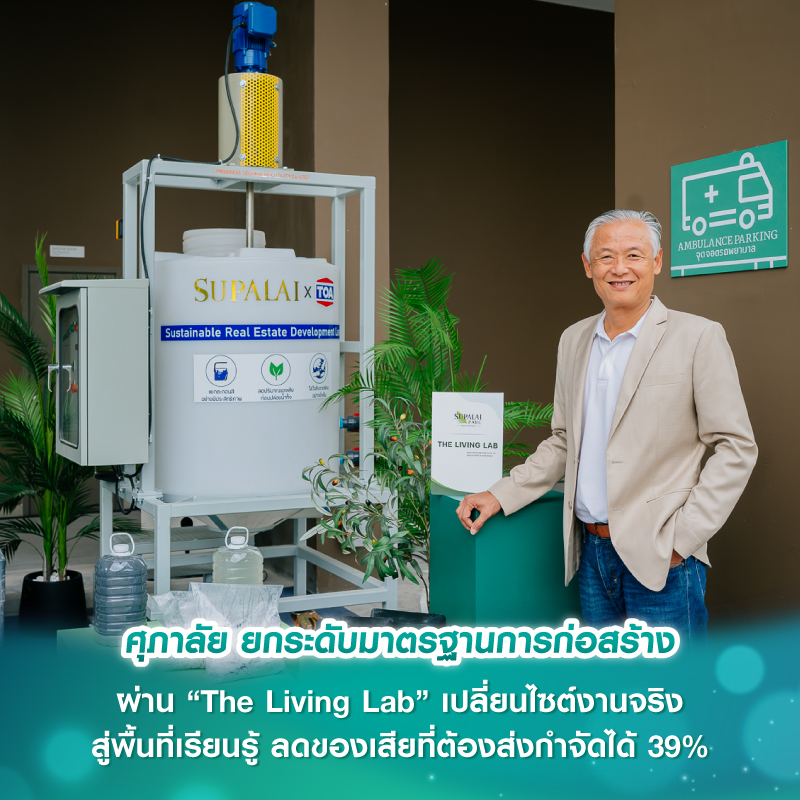
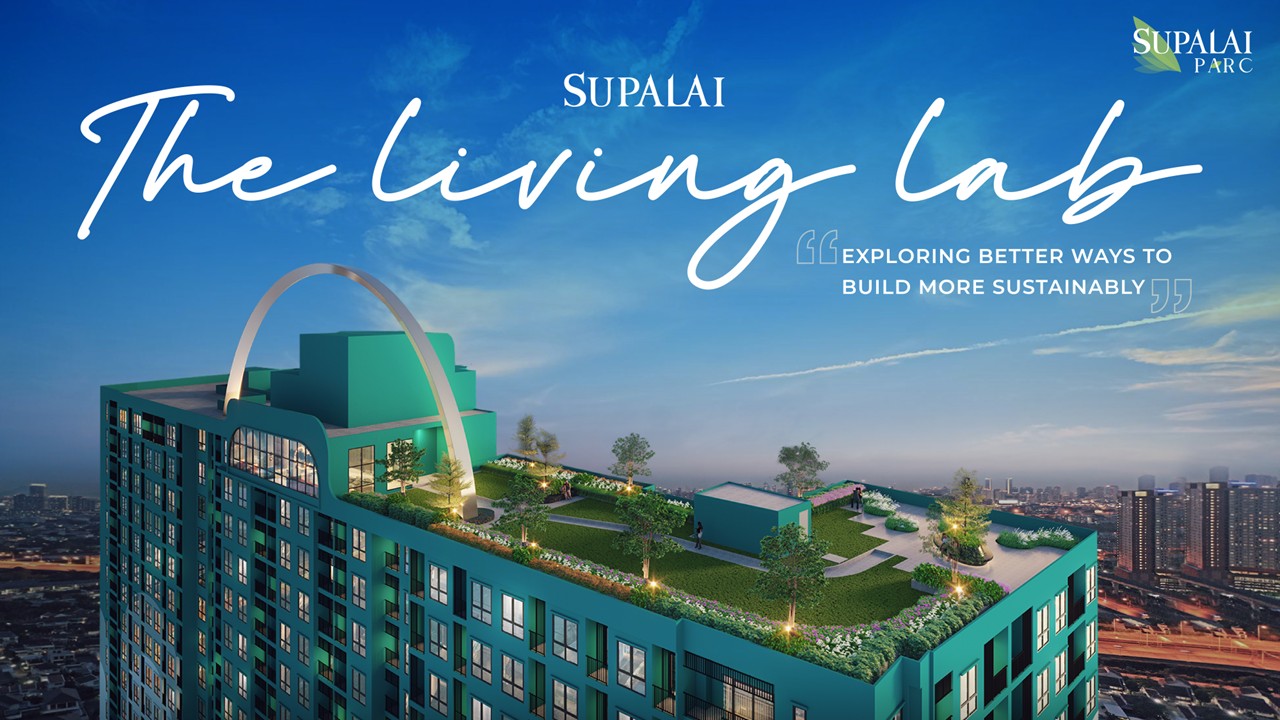
Supalai Public Company Limited is therefore elevating its construction processes through The Living Lab, an approach to learning from real construction sites that uses data from construction to analyze, measure, and continuously improve work processes. The Supalai Park Ekkamai–Phatthanakan project serves as the prototype before expanding the results to all of the company's projects, both low-rise and high-rise.
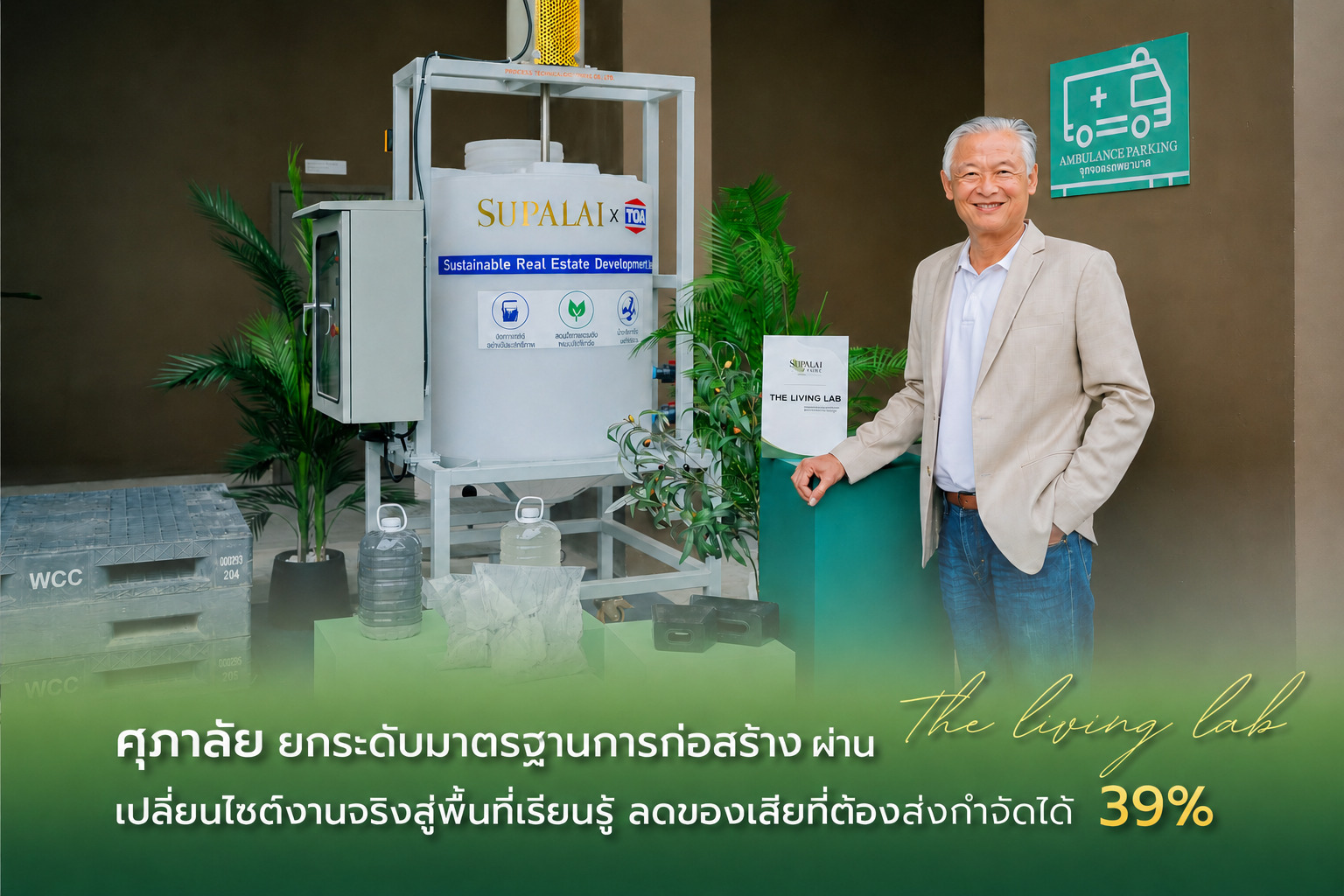
The outcome reflecting the success of The Living Lab is the systematic management of construction waste. The project set a target to control the amount of waste sent for disposal at no more than 3,300 tons* throughout the construction period, but was actually able to manage it down to 2,000 tons* — 39% better than the set target. This demonstrates that developing construction processes can tangibly reduce environmental impact while maintaining the project's quality and safety standards.
Mr. Krittipong Sirilaktrakul, Deputy Managing Director of Supalai Public Company Limited, said "The Living Lab is not an experimental project, but rather Supalai's way of working that allows us to learn from actual construction. Every step involves data collection, measurement, and using the results to continuously improve work processes. Our goal is not only to build quality buildings, but to raise construction standards to be more environmentally responsible without compromising quality, safety, and residents' confidence."
Turning Waste into Value
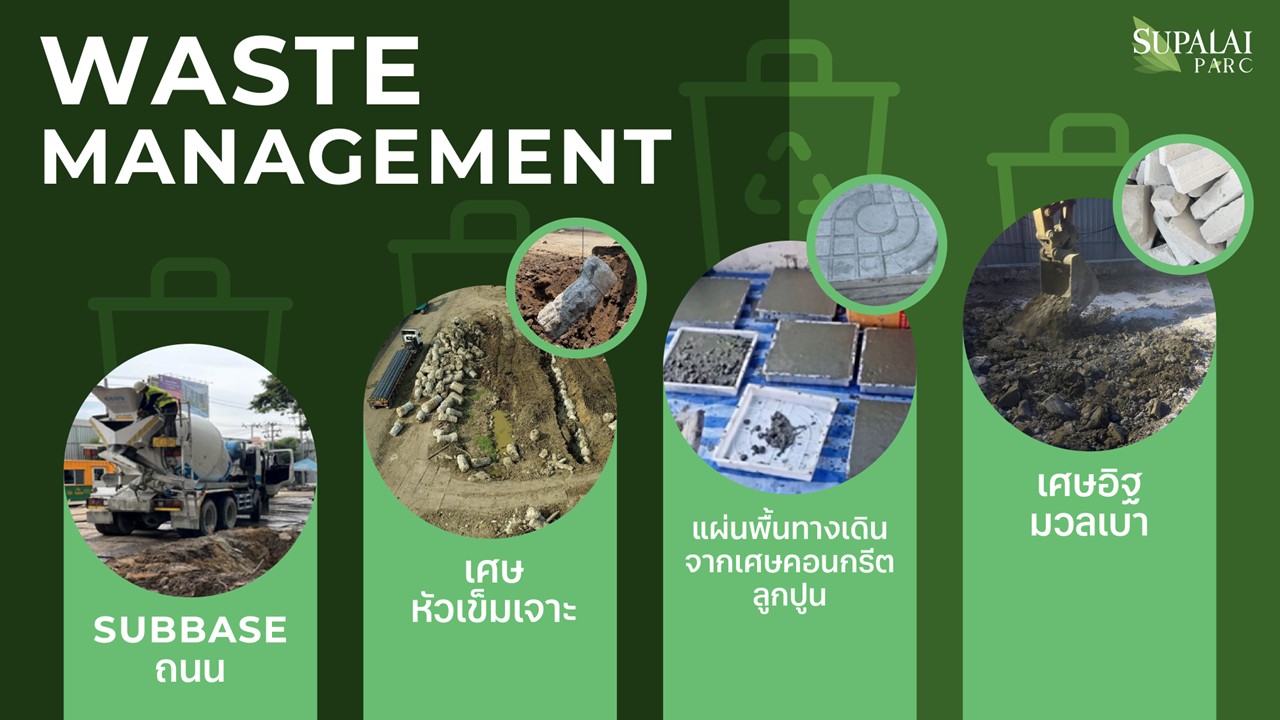
The Living Lab began with the question: "How can we minimize construction waste?” — both through reusing materials and adding value to leftover materials, under engineering and safety standards. Examples include reusing over 1,200 tons of bored pile cuttings as retaining walls, developing concrete debris into materials for landscaping and walkway paving slabs, and converting lightweight brick scraps into soil-mixing planting material. This helps tangibly reduce the use of new resources and the amount of material sent for disposal.
Designing for Minimal Waste
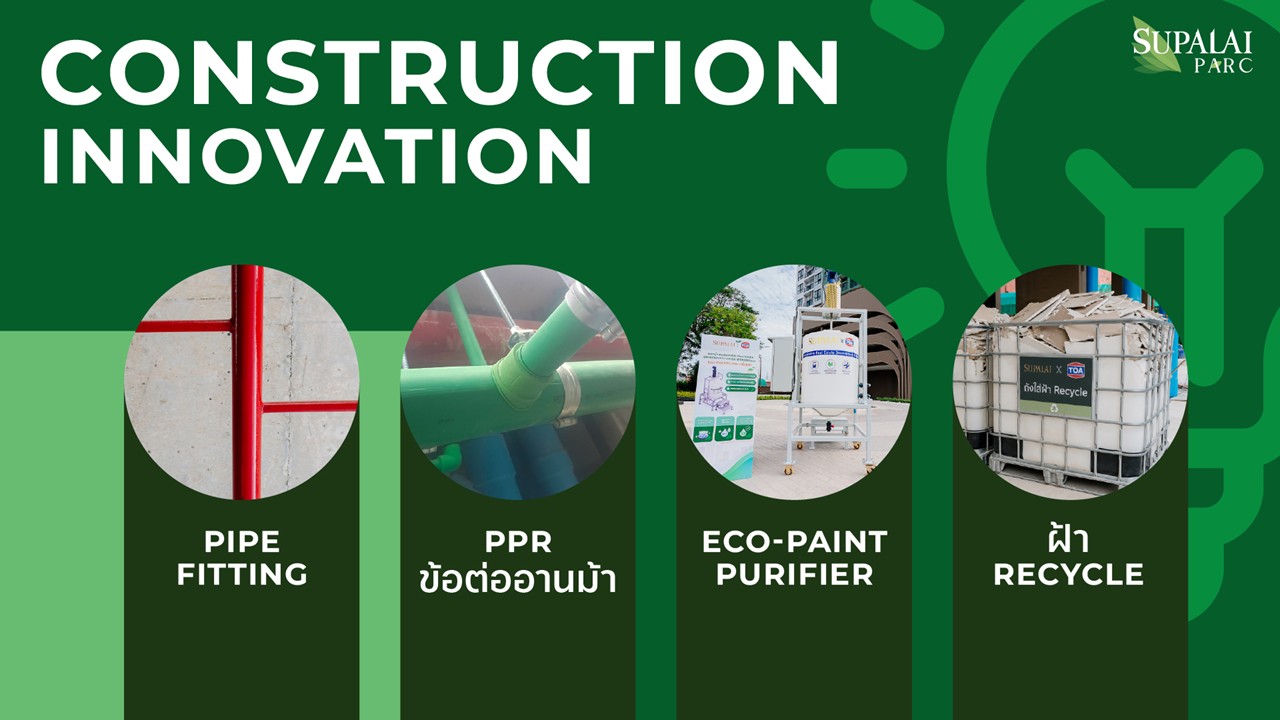
The company believes that the best way to reduce waste is to avoid creating it at the source, and therefore continuously improves its construction methods and designs, such as designing a fire-protection piping system that reduces weld seam length by 67%, using saddle joints in the PPR piping system that reduce the number of connections by 67%, and designing ceiling panels to fit the installation area, which reduces material offcuts from trimming by 30%. This results in reduced material usage, fewer work steps, and lower environmental impact all at once.
Using Every Resource to Its Fullest
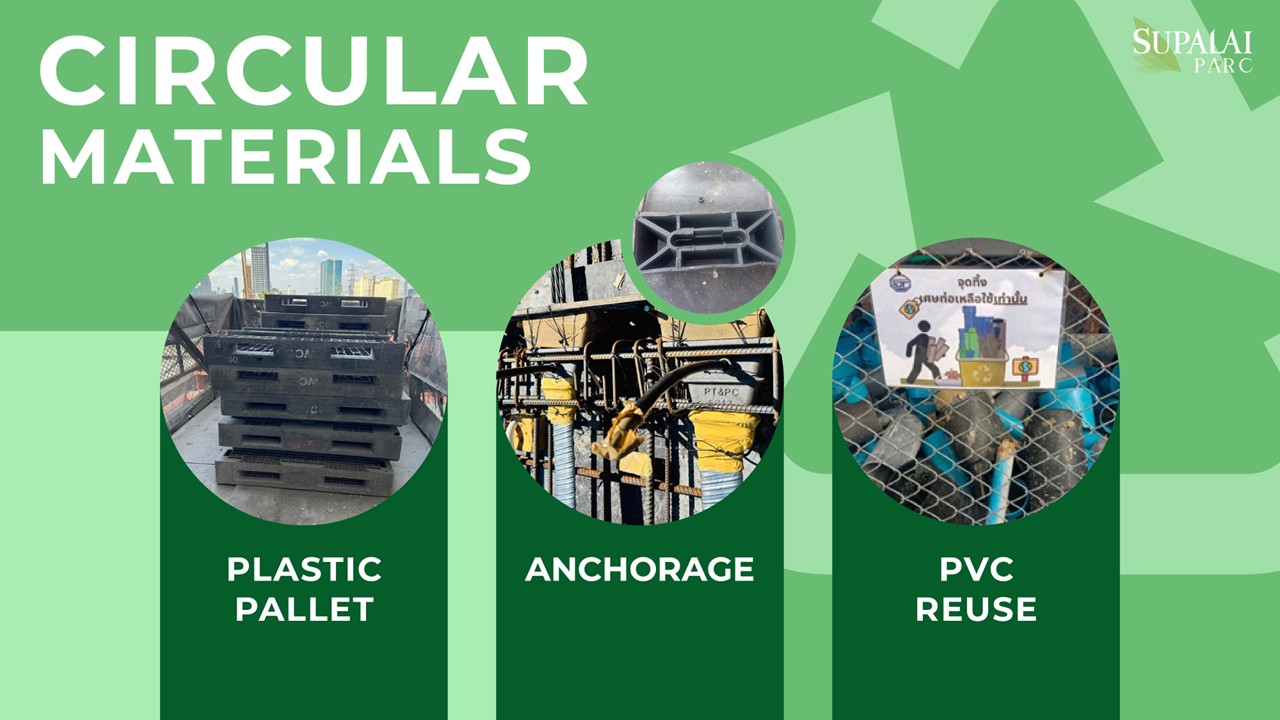
Beyond waste reduction and material reuse, the company has also developed a Circular Materials system to extend the lifespan of materials, such as reusing PVC pipe scraps in system installations, using reusable Anchorage plugs, using rotating plastic pallets instead of wooden pallets, and sending gypsum board scraps into the recycling process, which can produce over 1,200 new gypsum boards*. These approaches help reduce the use of new resources by 2.4 tons* and cut greenhouse gas emissions by approximately 3,000 tCO₂e**
The heart of The Living Lab is not having a large number of innovations, but having measurable results. Every approach developed must be able to demonstrate how it reduces resource use, reduces waste, and can be built upon to raise construction standards, because when results can be measured, continuous improvement becomes possible.
Following the prototype project Supalai Park Ekkamai–Phatthanakan, Supalai aims to expand the knowledge and results from The Living Lab to all of the company’s projects, both low-rise and high-rise, while systematically developing environmental indicators to elevate construction standards in line with sustainable development principles. Because for Supalai, sustainability does not begin after a building is completed—it begins with every decision from design through construction, in order to deliver quality homes that benefit residents, the environment, and society in the long term.