


MAIN POINT
- The condominium common area fee is an expense that condo unit owners must pay so that the condominium juristic person can use the funds to improve, develop, and manage the condominium project so that the atmosphere within the project is pleasant and safe. The factors that affect the calculation of the common area fee include the number of units, the size of the area, amenities, and other factors.
- If the unit owner does not pay the condominium common area fee within the specified time, they will be subject to a penalty at a rate of no more than 12-20 percent per year of the overdue amount plus interest, have shared services or use of common property suspended, lose the right to vote in meetings, not receive a debt clearance certificate, and face legal proceedings
The common area fee is an expense that unit owners should prioritize so that the various amenities within the project are always ready for use. However, many people may have numerous questions, such as what the common area fee is, why it must be paid, what you get from paying it, whether you can avoid paying it, and what the consequences are if you don't pay? Living Insider has the answers for everyone.
What Is the Condominium Common Area Fee? Why Must It Be Paid?
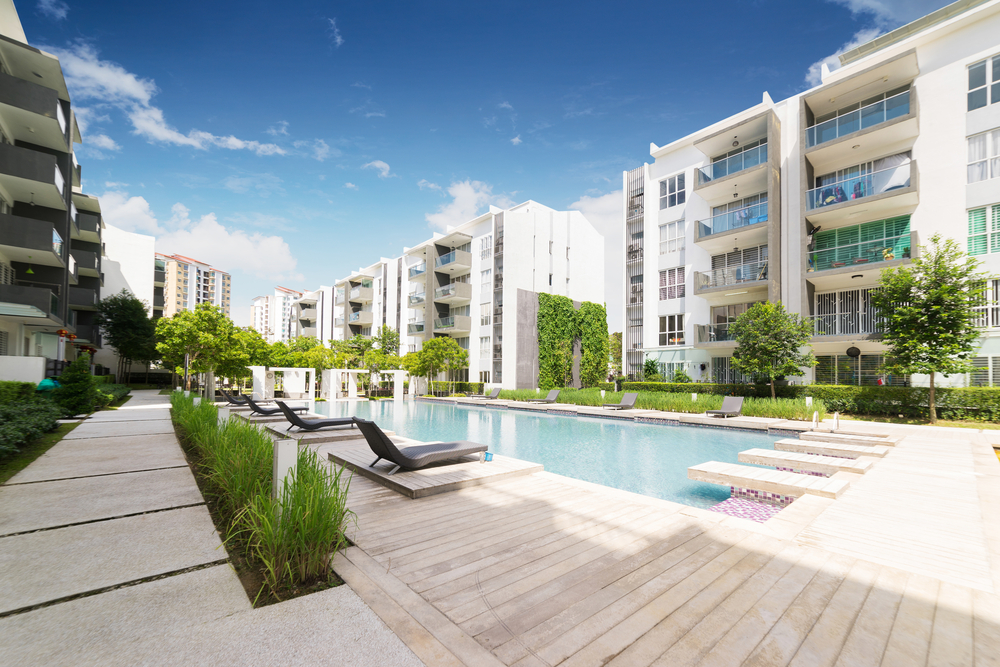
The condominium common area fee (Maintenance Fee / Common Fee) is an expense that residents or condo owners must pay to the project's juristic person, to be used to manage and maintain the various areas within the project so they are pleasant to live in, clean, and safe, and so that amenities and various equipment can be used as usual. It is an expense that must be paid continuously from the first transfer of condo ownership until the date ownership is transferred to another party.
What Does the Condominium Spend the Common Area Fee On?
The condominium juristic person uses the common area fee to manage the various areas within the project as follows:
- Project management costs: such as security guards or cleaning staff
- Repairs and improvements to various systems: such as electrical systems, elevators, swimming pools, gardens
- Basic utility fees for common areas: such as water bills, electricity bills, and internet fees
- Activity fees and other additional expenses: such as bank fees, office supplies maintenance costs, and annual general meeting arrangement fees
However, each condominium project may charge different common area fees. Living Insider will take you to look at what factors cause common area fees to differ from one project to another.
What factors affect condominium common area fees, and why are they not charged at the same rate?
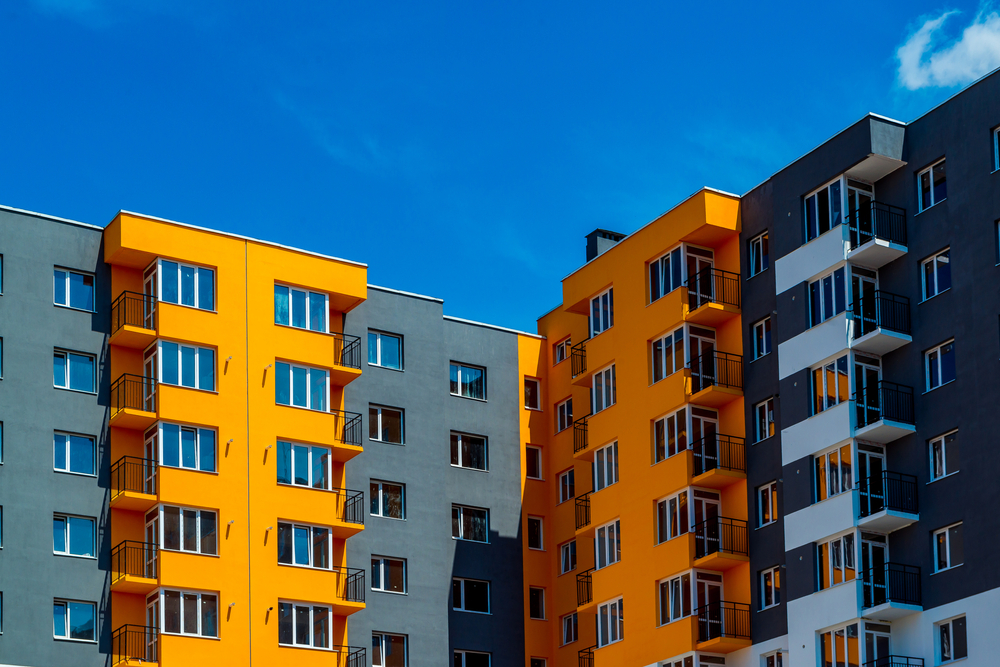
1. Number of units in the project
The number of units in a project affects common area fees. If a project has a large number of units, the common area fee will be lower. But if a project has fewer units, the common area fee will be higher. That said, common area fees may also depend on other factors; for example, a small project with comprehensive facilities may also have a higher common area fee.
2. Size of the unit
A condominium’s common area fee is calculated based on the size of the unit in square meters. If a unit owner purchases a condo unit with a larger area, they are required to pay a proportionally higher common area fee.
3. Facilities of the project
Condominium projects with comprehensive facilities, such as public parks, rooftop gardens, swimming pools, fitness centers, sauna rooms, lobbies, co-working spaces, meeting rooms, as well as various security systems like key cards, CCTV cameras, fingerprint scanners, and facial recognition scanners, incur costs for maintenance and improvement to keep everything ready for use, which drives common area fees higher as a result.
4. Management model
Condominium management expenses, such as staff salaries and juristic person company fees, are another factor that affects the calculation of common area fees. The larger the condominium, the higher the management expenses, resulting in higher common area fees accordingly.
5. Utility Fees
Basic utility fees are expenses for maintaining, improving, and caring for various systems to keep them always ready for use, such as electricity, water, telephone, and internet fees, security systems, and elevator systems, so that residents can live conveniently and safely. These utility fees also affect the common area fees of a condo.
6. Miscellaneous Expenses
In addition to the various expenses mentioned, common area fees also depend on miscellaneous expenses, such as event organization costs and other emergency expenses.
How Much Do You Have to Pay in Condo Common Area Fees, and How Are They Calculated?

The principle behind calculating common area fees is estimating the costs of administration and maintenance—such as security systems, water bills, electricity bills, staff salaries, and upkeep of various facilities within the project—multiplied by the size of the unit.
Calculation Formula: Common Area Fee Rate x Unit Area
Example: Mr. A buys a unit with an area of 40 square meters, and Mr. B buys a unit with an area of 30 square meters. The common area fee is 50 baht per unit / month.
- Mr. A pays a common area fee of 40 x 50 baht = 2,000 baht / month
- Mr. B pays a common area fee of 30 x 50 baht = 1,500 baht / month
When Do You Have to Pay Condo Common Area Fees?

The juristic person begins calculating and collecting condo common area fees once ownership of the unit is transferred to the buyer. Most collect them in cycles, such as monthly, every 3 months, every 6 months, or annually. Some projects may also offer promotions waiving common area fees at the beginning, depending on each project's policy.
Can the Condo Common Area Fee Rate Be Changed?

Condo common area fees can change depending on economic conditions (e.g., inflation, labor costs), project management (e.g., improving service quality, adding amenities), and building deterioration. Normally, common area fees are adjusted every 3-5 years, but projects older than 10 years may adjust more frequently to ensure sufficient funds for management and maintaining quality living standards.
In adjusting common area fees, by law the condominium juristic person should hold a meeting with residents to reach a resolution on adjusting the common area fee, which must receive votes in favor of no less than half of the total number of residents. If the votes are lower, a new meeting must be held within 15 days after the first meeting, and at the second meeting, at least one-third of the votes are required before the common area fee adjustment can be announced.
Can You Avoid Paying Condo Common Area Fees? Are There Penalties?

No, because if you do not pay the common area fee, the condominium juristic person can impose fines and revoke rights to use common areas under the Condominium Act (No. 4) B.E. 2551 (2008), Section 18/1, which states:
“In cases where a unit owner fails to pay common area fees on time, the unit owner shall be subject to a penalty at a rate not exceeding 12 percent per year of the overdue amount plus interest, and in cases of non-payment of 6 months or more, a penalty at a rate not exceeding 20 percent per year plus interest shall apply. The owner may also have shared services or the use of common property suspended, as well as lose the right to vote at general meetings.”
In addition, residents with overdue common area fees will not receive a debt clearance certificate from the condominium juristic person, which is a required document for transferring ownership to another person at the Land Office, and if payments remain overdue for a long time, the resident may be sued by the project in court.
Frequently Asked Questions About Condo Common Area Fees
1. What is the difference between common area fees and the sinking fund?
A sinking fund is a reserve fund that unit owners in a condominium project must pay to the condominium juristic person when purchasing a new unit, paid as a one-time payment. It serves as a reserve for major, high-cost repairs or improvements to common areas, such as replacing elevators, electrical systems, or plumbing, which differs from common area fees that must be paid annually.
2. Can unit owners negotiate or request a discount on condo common area fees?
The unit owner has the right to negotiate the price or request a discount on common area fees if there is a reasonable cause, such as actual expenses being lower than the estimated amount. Each unit owner must submit a written notice to the condominium juristic person for the committee to convene a meeting, and approval must be obtained from no less than half of the total votes.
3. If the condo is being rented, who should pay the common area fees — the tenant or the landlord?
It depends on the agreement between the tenant and the landlord. However, as a general rule, the unit owner is responsible for the common area fees, while the tenant is responsible for electricity, water, and expenses within the unit.
4. If you are not living in or using the unit, do you still have to pay common area fees?
Common area fees must still be paid, because the law clearly stipulates that condo unit owners are obligated to pay common area fees on schedule. Therefore, residents are required to pay regardless of whether they live in the unit or not.
5. What is the penalty for not paying condo common area fees?
A penalty of 12 percent per year must be paid, and in cases where common area fees are not paid for 6 months or more, a penalty of 20 percent per year applies.
Collection of things to know about condos from LivingInsider
- Get your condo loan approved with ease! How to prepare and what to consider
- What is a leftover-money condo? Is it good or bad? Everything you need to know
- What is EIA and how many steps does it involve? How is it a key weapon for condos?
- Condo inspection checklist done right, with DIY tips before transfer
- Condo lease agreements and what tenants must know under the new law
Find your ideal location, covering every project at LivingInsider
Search for livable projects in prime locations for buying, selling, renting, and investing with LivingInsider, Thailand's number one real estate marketplace website, with over 3.3 million monthly users and more than 9.5 million monthly listing views, offering comprehensive real estate services.
Search listings for sale and rent: condos, houses, land
Find condo listings for sale in popular locations at
- Condos for sale in Sukhumvit, Asoke, Thonglor, Ekkamai, Phrom Phong
- Condos for Sale in Chidlom, Langsuan, Phloenchit, Ratchadamri, Lumphini
- Condos for Sale on Lat Phrao (Early Section) and Lat Phrao Five-Way Intersection
- Compilation of Condo Buy and Sell Listings in Bangkok and Nationwide