

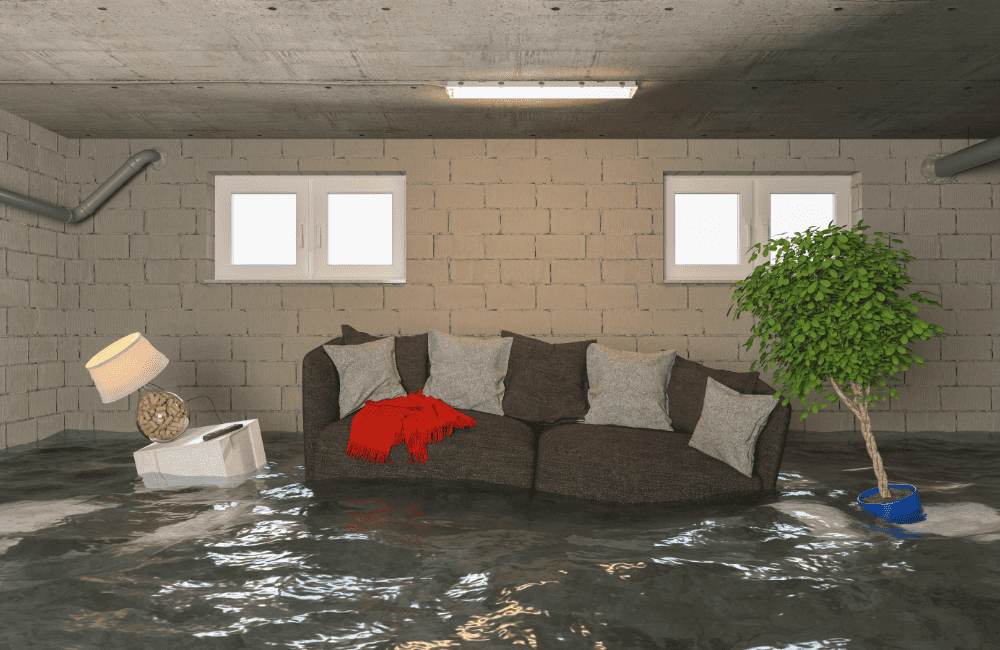
After floodwater in the house subsides, the greatest challenge for homeowners is restoring the home back to its livable condition. The damage may include water stains, mold, accumulated moisture, and various structural damage. Restoring the home properly and quickly will help prevent damage from spreading and get the house back to a usable condition as soon as possible.
7 Things to Do After a Flooded House

Restoring a house after flooding is work that must be done systematically and carefully, for the sake of safety and maximum repair efficiency. It starts from an initial damage assessment through to repairs of various parts, with key steps that should be carried out in order as follows:
1. Survey the Damage
Surveying the damage after a flooded house is the most important first step. Start by inspecting the main structure of the house, both outside and inside, especially cracks or settling of the foundation. Photograph the damage to keep as evidence for insurance claims, and beware of venomous creatures that may be hiding in nooks and corners. Recording a list of the damage will help with planning repairs and prioritizing the work efficiently.
2. Start Cleaning
Once the floodwater has subsided, cleaning should begin as soon as possible, wearing proper personal protective equipment. Cleaning should start by removing damaged items first, then washing floors and walls with clean water to remove mud stains, followed by wiping down again with disinfectant. Thorough cleaning will help prevent mold problems and musty odors in the long term.
3. Check the Electrical System
Electrical safety is a matter that requires special attention. First, cut off the power at the main breaker before starting the inspection. Then check all wiring and electrical equipment. Outlets and switches that were submerged need to be replaced. A professional electrician should inspect the system before turning the power back on, and wait until every piece of electrical equipment is completely dry before testing it.
4. Care for and Renovate the Bathroom
The bathroom is an area that requires special attention in terms of hygiene. Start by checking the piping and drainage systems to see whether they work normally. Clean and disinfect every sanitary fixture thoroughly. If a clogged pipe is found, fix it with a drain-clearing solution. Check for leak points and repair them immediately. Areas at risk of mold growth should be sprayed with a dedicated disinfectant.
5. Care for and Renovate the Kitchen
The kitchen needs special care for food safety. First, discard all food that came into contact with floodwater. Clean cabinets and shelves with disinfectant. Kitchen appliances must be thoroughly inspected before use. Damaged water piping should be repaired quickly, and any mold that may have developed in cabinets and walls must be removed thoroughly.
6. Clean Belongings and Utensils
Cleaning household items after a flooded house must be done according to the type of material. Bedding and curtains should be washed with disinfectant. Each piece of furniture must be cleaned using a method appropriate to its material. Items that can be sun-dried should be aired out until completely dry, and stored in a dry place with good ventilation, to prevent mold from recurring.
7. Do Not Rush to Repaint
Repainting is the final step, which requires waiting for the walls to dry completely for at least 1 month. In the meantime, sand the walls and remove any old peeling paint, check and repair cracks until finished, choose paint suitable for the wall condition, and always remember to apply primer before the actual paint. Waiting for the walls to dry completely will help the paint adhere durably and look beautiful.
Summary: How to Restore After a Flooded House

Restoring a home after a flood is a task that requires both time and attention to detail. Following the proper steps will help make the home livable and safe for residents again. If you would like more information about home care or are looking for a new second-hand housewith a good flood prevention system, you can find more information at LivingInsider, a real estate platform that compiles comprehensive information on houses and residences.