
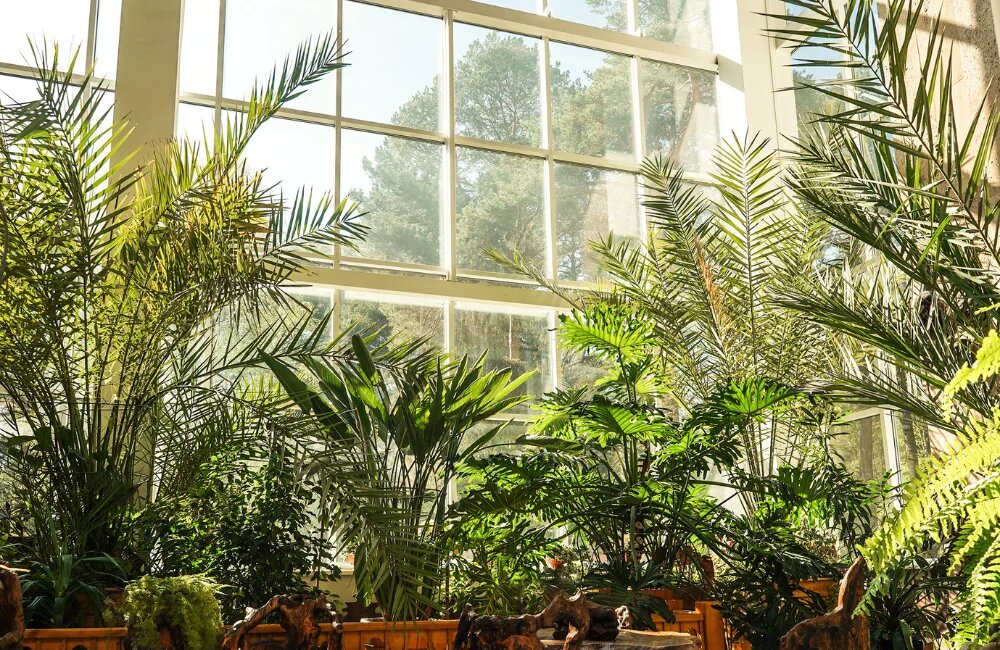
Growing trees in the home is a popular way to add freshness and beauty to a residence, but not every type of tree is suitable for growing indoors. Some may be harmful to health or considered inauspicious according to beliefs. In this article, Livinginsider will take you through 7 trees that should be avoided when planting in the home, along with explanations of why these trees should not be planted.
7 Trees Forbidden to Grow in the Home – What Are They?
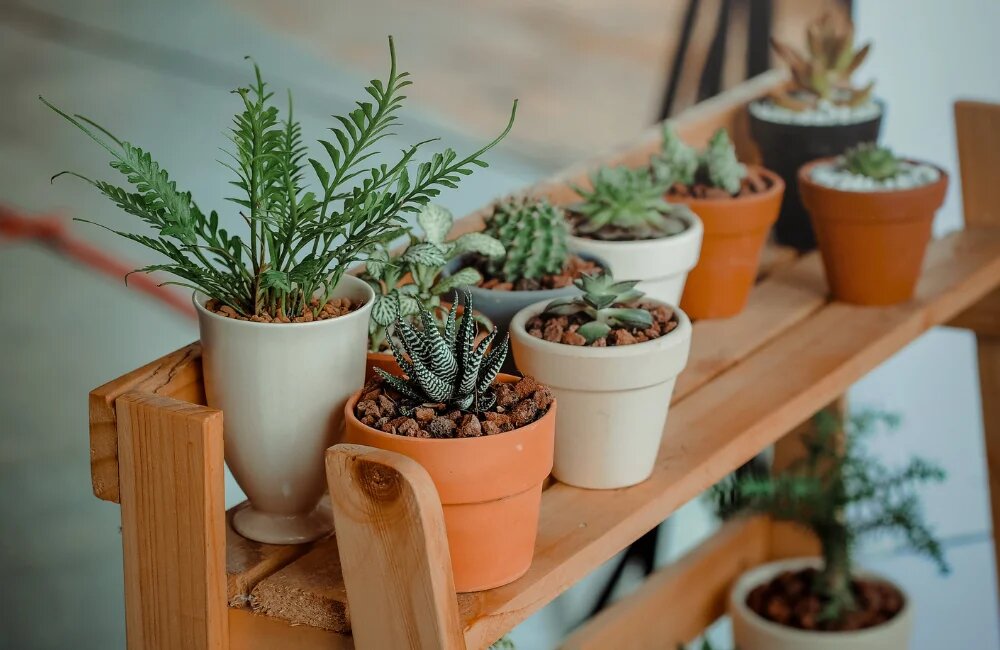
Choosing trees to grow in the home is not easy. In addition to beauty and maintenance, there are other factors to consider, such as safety, health impacts, or even cultural beliefs. Let's take a look at what the 7 trees that should not be grown in the home are.
1. Yellow Oleander (Oleander)
The yellow oleander is a beautiful flowering plant, but it is one of the trees that should not be grown in the home for important health reasons. For example, every part of the yellow oleander contains toxins. The toxins in yellow oleander can affect the functioning of the heart and nervous system. Small children and pets may accidentally bite or chew the leaves or flowers, which could lead to serious harm. Although the yellow oleander is beautiful, due to the potential dangers, it is not recommended for planting around the home, especially in homes with small children or pets.
2. Cycad (Sago Palm)
The cycad is an ancient plant with unique beauty, but there are both belief-based and scientific reasons why it is unsuitable for growing in the home. For example, its leaves have sharp thorns that can easily cause injuries, especially to children or pets. The flowers of some cycad species have a strong odor, and the seeds of some varieties contain toxins that can be dangerous if ingested. Additionally, cycads are usually large in size and not suitable for growing in homes or limited spaces.
3. Tonight Flower (Rangoon Creeper)
The Desert Rose is a beautiful and popular flowering plant, but it has certain properties that make it unsuitable for growing in the home, especially in homes with children or pets, such as having toxic sap, being dangerous if ingested, and posing a danger to children and pets.
4. Frangipani (Lantom) Tree
The Frangipani, also known by its new name "Leelawadee," is a beautiful and fragrant flowering plant, but there are both superstitious and scientific reasons why many people choose not to grow it at home, such as the old name "Lantom" having a meaning similar to the word "sorrow," which may bring grief; the sap in every part of the tree contains toxic acids; or children and pets being at high risk of touching or accidentally eating parts of the plant.
5. Bougainvillea
Bougainvillea is a flowering plant with vibrant and beautiful colors, but there are both superstitious and physical reasons why many people choose not to grow it at home, such as the belief that growing bougainvillea in the house may bring conflict and quarrels; it has sharp thorns along its branches and trunk, which can be dangerous to residents, especially children and pets; or bougainvillea can spread easily and may become a weed in the garden or around the house.
6. Hydrangea
The Hydrangea, also known as "Peach Flower," is a strikingly beautiful flowering plant, but it has certain properties that make it unsuitable for growing in the home, especially in homes with children or pets, such as every part of the hydrangea containing toxic substances, particularly in the flowers and leaves; dogs and cats that eat any part of the plant may suffer serious harm; or contact with the plant's sap may cause allergic reactions or skin irritation in some people.
7. Papaya Tree
The papaya tree is a fruit tree familiar to Thai people. Although it bears fruit that is beneficial to health, there are both superstitious and scientific reasons why many people choose not to grow it around the house, such as the belief that the name "Malako" (papaya) may be interpreted as "clustering or splitting into clusters," which may bring division within the family, or that papaya trees often attract many types of insects, including fruit flies, which may become a nuisance around the house.
Conclusion:Trees Prohibited from Growing in the Home
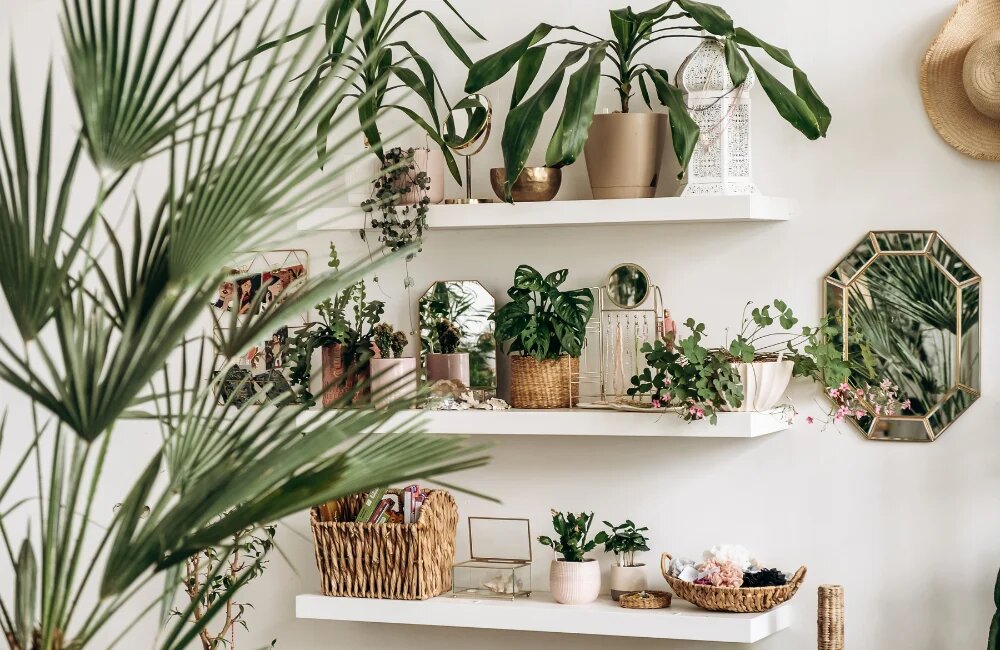
However, the decision on which types of trees to plant in the home depends on each individual's judgment. If you still want the beauty of these trees, you may consider planting them in an appropriate area away from frequently trafficked spaces, or choose to use artificial trees or paintings instead, for the safety of everyone in the home.
For those looking for a new residence or wanting to sellsecond-hand houses ortownhouses Livinginsider is an interesting platform. This website is the largest aggregator of real estate sale and rental listings in Thailand, and you can use it for free with no fees—whether searching for a new home, posting a house for sale, or finding tenants in Bangkok and nationwide.