
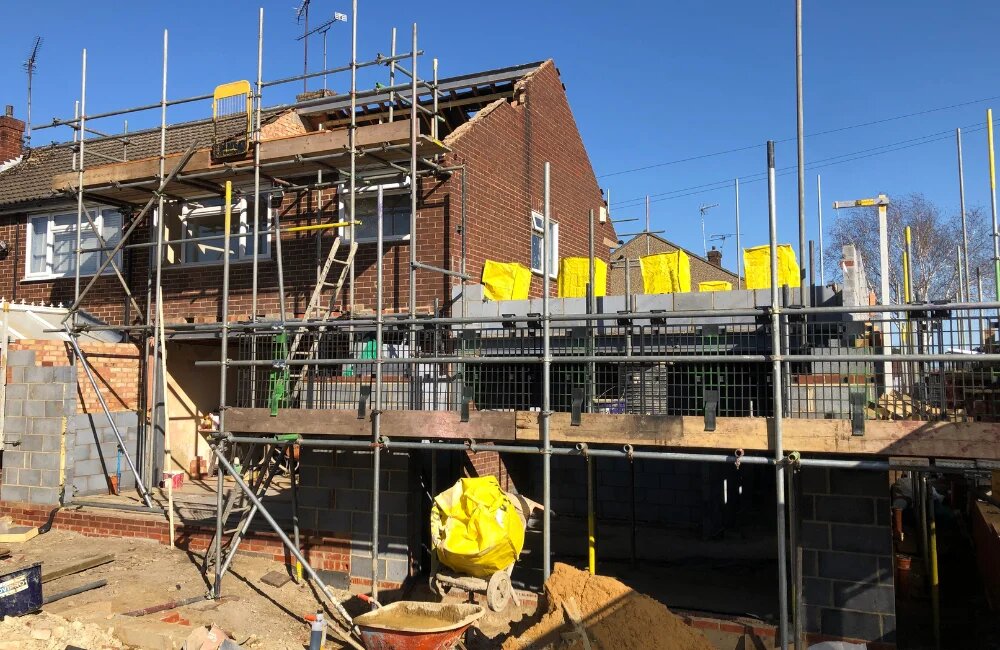
Fronthouse extensionsare a popular way to add usable space and improve the appearance of a home, but many people may not be aware that there are numerous laws and regulations governingfront house extensions. Ignoring these laws may lead to legal problems and high fines. Therefore, before you start yourfront house extensionproject, let's first get to know the relevant laws in this article.
What are thefront house extensionlaws?
Front house extensionlawsare a set of legal rules and regulations that govern the modification, extension, or renovation of the front area and other parts of a house. These laws aim to maintain safety, orderliness, and a good environment for the community. Understanding the law will help you properly plan yourfront house extensionand avoid potential legal issues in the future.
Details offront house extensionlaws

Ahome front extensionmay seem like a simple matter, but in reality there are many laws and regulations you must comply with. Understanding the details of these laws will help you plan and carry out yourhome front extensioncorrectly and smoothly. Let’s take a look at the 5 important legal aspects ofhome front extensionthat you should know.
1. You must obtain consent from neighboring residents
Living happily in a community begins with respecting the rights of others. Therefore, before you begin yourhome front extension, the important thing to do is to inform your neighbors about your extension plans and obtain their written consent, especially in cases where the extension may affect them. If you want to build the extension right up to the property boundary, you must obtain consent from the adjacent landowner, because getting your neighbors’ consent not only helps you comply with the law, but also helps maintain good relationships with your neighbors.
2. Do not extend the building over the entire land area – there must be open space of no less than 30%
The law requires that houses and residences have open space for safety and sanitation, with the following details:
- There must be open space of not less than 30% of the total land area
- For buildings less than 15 meters tall, there must be surrounding open space of at least 1 meter
- For buildings 15 meters tall or more, there must be surrounding open space of at least 2 meters
The main reasons for these requirements are to prevent the spread of fire in case of a fire, help with ventilation, reduce humidity, prevent health problems, as well as increase green space and help maintain a good environment.
3. Permission must be obtained from local officials
Home extension is not something you can do as you please. You need to obtain permission from the local authority before starting construction, especially in the following cases
- Extensions with an area exceeding 5 square meters
- Changes to the main structure, such as columns or beams
- Changes to materials or sizes that differ from the original
- Extensions that significantly increase the weight of the building
Obtaining this permission ensures that your extension complies with safety standards and local regulations.
4. An architect and engineer must supervise the extension
A home extension is not a trivial matter and requires specialized expertise. The law therefore requires that specialists supervise the work: the architect is responsible for designing and planning the extension, while the engineer takes care of the structural aspects and construction safety. Having these specialists not only helps ensure your extension is legally compliant, but also guarantees that it will be of good quality and safe.
5. Building Lines and Various Setbacks
Front house extensions must take into account the distance from the land boundary line and public roads, for orderliness and safety, with the following requirements:
- Fences and walls If built attached to or closer to a public road than the height of the fence, they may be built no higher than 3 meters from the level of the sidewalk or road
- Buildings not exceeding 9 meters in height Walls, openings (windows, doors, vents), or balconies must be at least 2 meters from the land boundary line. If it is a solid wall, a distance of at least 50 centimeters must be maintained
- Buildings exceeding 9 meters in height but not exceeding 23 meters — walls, openings, or balconies must be at least 3 meters from the land boundary line
Compliance with these requirements will help maintain privacy between neighboring houses, prevent problems with blocking light and ventilation, reduce the risk of fire and the spread of flames, and create a livable and orderly environment.
Summary of the Legal Article on Front House Extensions

Complying with these laws and regulations may seem like a burden at first, but in the long run it will protect you from legal problems, fines, and disputes with neighbors. In addition, it helps ensure that yourfront house extensionis of quality, safe, and genuinely adds value to your property.
For those looking for a new home or wanting to sell a house that has been extended, Livinginsider is an interesting platform. This website is the largest collection of listings forsecond-hand houses townhomescondos, and real estate rentals in Thailand. You can use it for free, with no fees, whether you are looking for a new home, listing a house that has been extended for sale, or finding tenants in Bangkok and nationwide.