
What is Subprime?
A simple explanation that anyone can understand
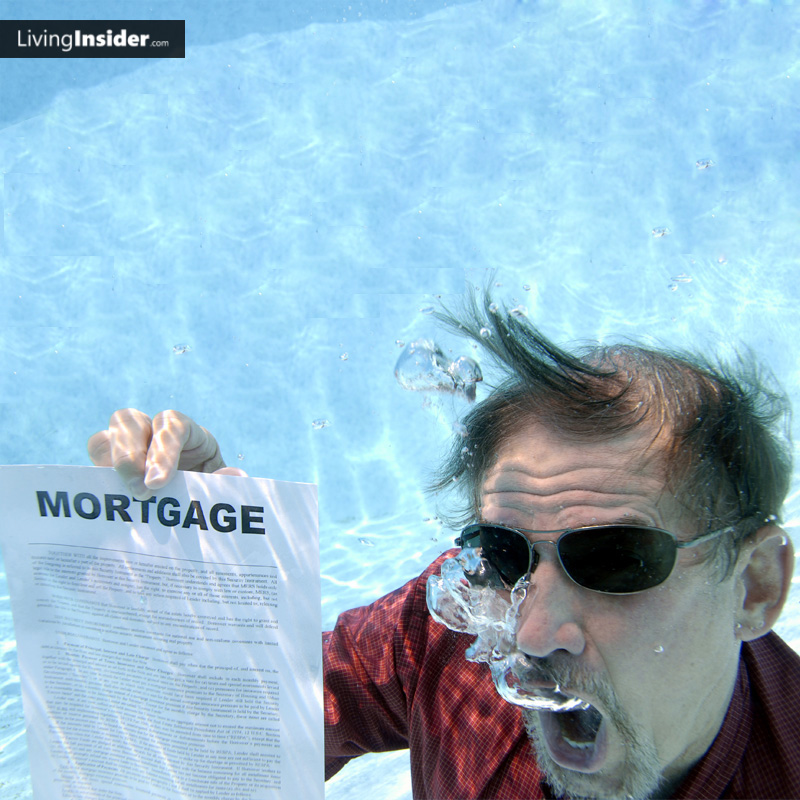
The most well-known financial crisis is undoubtedly the one that originated from the big boss US Subprime that occurred around 2007. The question is "How could the mighty and confident USA, the world's dominant power, make such a mistake?"
You've probably heard that the cause was a real estate bubble, or simply put, "houses were too expensive," until eventually it all came crashing down. But in reality, the US wasn't that bad off. It wasn't just about buying and selling houses back and forth driving up prices continuouslyuntil houses became too expensive and the bubble burst
A crisis doesn't happen that easily. If it were just that, the problem could have been solved before the collapse, or at least the impact could have been reduced so it wouldn't have been so devastating. Let me explain the sequence of events of this crisis simply in 5 stages.
Introducing the participants first
Mr. Suitor = American Dreamer who wants to own a home but has bad credit and can't get a regular bank loan
Mr. Bank = The banker who worships money
Mr. Investor = A billionaire who loves low-risk investing
Mr. Anonymous = The one who picks the best parts for himself
Mr. Mae really wanted a house, but he didn't know his limits. He tried every way to get a bank loan, but no bank would approve it because his income wasn't enough to cover the installments, and he had no assets to use as collateral.
Mr. Bank, a clever man, saw that there were so many people who wanted houses but had bad credit, which meant Mr. Bank had to keep rejecting people like "Mr. Mae" who came to apply for home loans.
Mr. Bank then offered a special loan to Mr. Mae, called a Subprime Loan, which means lending to high-risk borrowers. The installments would be low, but the interest rate would be brutally high—so much so that if you only paid installments, you'd never finish in this lifetime, because almost everything you paid went toward interest. People like Mr. Mae probably thought that one day they'd get rich and pay it off in full, but mostly, that's not how it turned out.
Many might wonder: wait, if he does this, isn't Mr. Bank afraid that Mr. Mae won't be able to keep up with payments, stop paying, and it becomes bad debt?
The answer is: he's not afraid, because he believes real estate only goes up, never down. Even if Mr. Mae stops paying, we can repossess and resell for a profit.But if Mr. Mae or many people like Mr. Mae all abandon their debts at the same time, what then? Even if you repossess to resell for profit, it's not that easy to sell. There's still risk involved, right? What should be done?
Bank sat thinking for a long time until a brilliant idea came to him. He knew "Mr. Mong," a millionaire who wanted to invest with low risk but better returns than bank deposits. "Hey, why not let him lend directly?" Bank didn't wait. He created an intermediary called MBS, which could take money from Mr. Mong to lend to Mr. Mae and his friends, with Bank acting as the middleman and collecting a commission.
Absolutely brilliant. A simple but world-class idea. Everything looked great: Mr. Mae got a house, Mr. Mong got interest higher than bank deposits, and Mr. Bank got his commission with zero risk. Win-win, happy-happy, all the way.
Many years passed after MBS was created. The brilliant idea continued, but the game took a turn: some of Mr. Mae's friends, who clearly shouldn't have been able to afford a house, also wanted one because all their friends already had one—desire spares no one. Mr. Mae and his friends kept going to Bank to apply for home loans with low first-year installments.
Mr. Bank thought that Mr. Risky was about to refuse, but then realized "If I let it go, I get a commission fee, while Mr. Investor bears the risk, which shouldn't be a problem because when Mr. Investor lends money through MBS, they lend in large chunks. Having some rotten fish mixed in shouldn't cause any issues." With that, he said, "Go ahead and lend it. What are we waiting for? It's a win-win as usual."
Another year passed. Mr. Bank neglected caution, let himself go, and spent money like burning paper because the commission fees from MBS were incredibly abundant. He continued lending non-stop, driven by the belief that "house prices will only go up, there's no way they'll go down."
The crisis had been brewing over many long years. No one even noticed that there were many of Mr. Speculator's friends buying homes they couldn't afford to pay off in the long run. The bubble of this crisis grew larger day by day, with no one paying attention.
Until the bubble sent its first warning signs. A number of Mr. Speculator's friends could no longer afford their mortgage payments and had to flee from debt. A small group of people in society (though still a minority) began asking questions about MBS and the real estate crisis.
Instead of stopping the creation of MBS to limit risk, Mr. Bank, blinded by greed, grabbed multiple MBS instruments, bundled them together, renamed them CDOs, and sold them on to Mr. Investor. He told Mr. Investor that CDOs were the best, safer than MBS, comparing them to a bundle of sticks tied together that's hard to break. And so, Mr. Investor ultimately bought the CDOs.
Another year passed. More and more people began to doubt the stability of the housing market. Quite a few people wanted to "bet/bet against" the housing market crashing in the future (betting on a crash is real in the investment world, but it has a fancy, cool-sounding name like Credit Default Swap)
Knowledge tidbit: Betting against is a useful insurance tool. For example, when you buy car insurance, you're essentially betting that your car will get into an accident. The difference is that in the financial world, you can bet that someone else's car will get into an accident. That's why it's used similarly to gambling and speculation.
When people wanted to bet that the housing market would crash, Mr. Bank, who loved money with all his heart and soul, wasn't afraid. Instead, he took all the bets from the "Mr. Anonymous" group, confident that the housing market wouldn't crash and eager to earn commission fees from the sales (the commissions were hot money).
Mr. Mao and his friends had no money to pay their mortgage installments. Their houses were foreclosed and sold at auction. Housing prices dropped rapidly. The auction prices weren't enough to cover the debts. Everything collapsed. Mr. Mung didn't get his money back. The housing market crashed completely. Mr. Bank went bankrupt because he had held onto the short positions. Mr. Anonymous got rich from shorting. It all ended painfully for everyone.
How was it? I hope this article helps paint a clearer picture. I think we can learn a lot from this event.
1. Crises don't happen easily. There's a long buildup period before the bubble bursts. And the crisis hits hard if people aren't careful. Like Mr. Bank, who made things worse and worse. If he had just stopped at MBS, it wouldn't have hurt this much. I think the situation in Thailand right now is far from a crisis, but a crisis abroad could bring problems to our doorstep.
2. Greed is what creates every crisis. So whenever a country is full of greed, "beware."
3. A real crisis is complex and can happen anywhere in the world. It's too hard to predict in advance. Instead of sitting around trying to predict the future, we should keep investing but always have a Plan B. Let's put it this way: if a crisis happens tomorrow, we need to be able to keep going. I think that's better.
4. Finally, you'll always see people who can seize opportunities during a crisis. Don't get too drunk on despair when a crisis comes, because opportunities are coming too.